From Tokyo Vending Machines to Your Whole Foods Aisle: How Japan's Beauty Snack Culture Conquered America

Photo: The Bushranger, CC BY-SA 4.0, via Wikimedia Commons
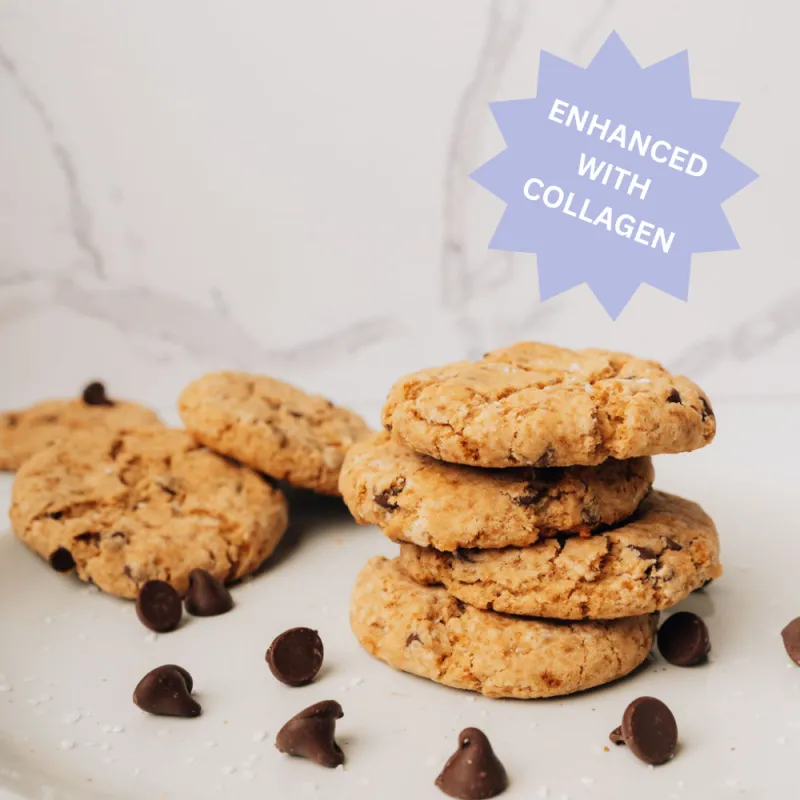
Walk into any Target or browse your Instagram feed right now and you'll see it: gummies for hair growth, collagen coffee creamers, 'beauty' lattes, cookies with benefits. Functional foods — snacks engineered to do something beyond taste good — have officially gone mainstream in the US. But here's the plot twist most American shoppers don't know: this whole movement got a serious head start in Japan.
Japan's Head Start on Edible Beauty
Japan has been normalizing 'eat your skincare' for decades. The country's FOSHU (Foods for Specified Health Uses) regulatory system dates back to 1991, giving functional foods an official, government-reviewed stamp long before the US wellness wave. Japanese convenience stores routinely stock collagen jellies, vitamin-fortified drinks, and yes — bust-enhancement cookies.
Among the most famous of these is a certain cookie brand we know quite well. Products like F-Cup Cookies became a cultural phenomenon in Japan, marketed with ingredients like soy isoflavones — plant compounds that mildly mimic estrogen — and sold on the promise that beauty support could be as simple as a daily snack. Cute packaging, vending-machine accessibility, and a no-fuss ritual: that formula resonated with young Japanese women, and eventually, it traveled.
The American Translation
The US market absorbed the concept but repackaged it. Instead of vending machines, we got DTC brands and TikTok. Instead of FOSHU approval, we got influencer testimonials. The result: a functional food market now projected to be worth well over $100 billion globally, with American women leading demand in the 'beauty from within' category.
'Consumers are increasingly skeptical of pills and drawn to formats that fit existing habits,' is the general consensus among food-industry analysts. If your nightly cookie or morning gummy already happens to deliver collagen or adaptogens, you're far more likely to stay consistent — and consistency is where any supplement-style product earns its keep.
The Regulatory Plot Twist: Japan vs. the US
Here's where savvy shoppers need to pay attention, because the two countries handle this very differently.
In Japan, FOSHU products must submit evidence and get government authorization before making health claims. In the US, functional foods and supplements fall under the FDA's dietary supplement framework — which means products can hit shelves without pre-market approval. Companies are responsible for their own claims being truthful, but the FDA generally acts after the fact.
What does that mean for you? A few practical things:
- Look for third-party testing. Certifications like NSF or USP signal the product contains what the label says.
- Read the ingredient list, not just the marketing. 'Supports natural curves' is a vibe; '500mg soy isoflavones per serving' is information.
- Be wary of guaranteed results. Legitimate brands — including functional food companies — talk about supporting wellness, not promising transformations. Bust-enhancement products in particular should be honest that individual results vary and the science on phytoestrogens is limited and mixed.
- Check for transparency. Reputable companies publish their sourcing, testing, and contact information.
What Experts Want You to Know
Nutritionists tend to land in the same place on the functional food trend: it can be a genuinely helpful delivery format, especially for people who struggle with pills, but it's a supplement to — not a substitute for — a balanced diet. Phytoestrogens, for instance, are well-studied in the context of menopause support, but claims about bust enhancement remain scientifically unproven. Anyone with hormone-sensitive conditions should talk to a doctor before loading up on them.
The Takeaway
The functional food boom is real, it's fun, and it owes a lot to Japan's decades of edible-beauty innovation. Enjoy your collagen gummies and your isoflavone cookies — just shop like an American, not a marketer: read labels, demand evidence, and treat every 'beauty snack' as one part of a bigger routine, not a shortcut to it. Sweet treats for your natural glow? Absolutely. Just make sure the glow comes from the whole picture.