Nobody's Asking Permission: What the Bust-Enhancement Cookie Debate Gets Wrong About Choice
Photo: Shixart1985, CC BY 2.0, via Wikimedia Commons
Let's be honest: the first time most American women hear the phrase "bust-enhancement cookie," they laugh. Then they get curious. Then they read the reviews. And then they land somewhere in the middle of a very online argument about autonomy, marketing, and what it means to do something "for yourself."
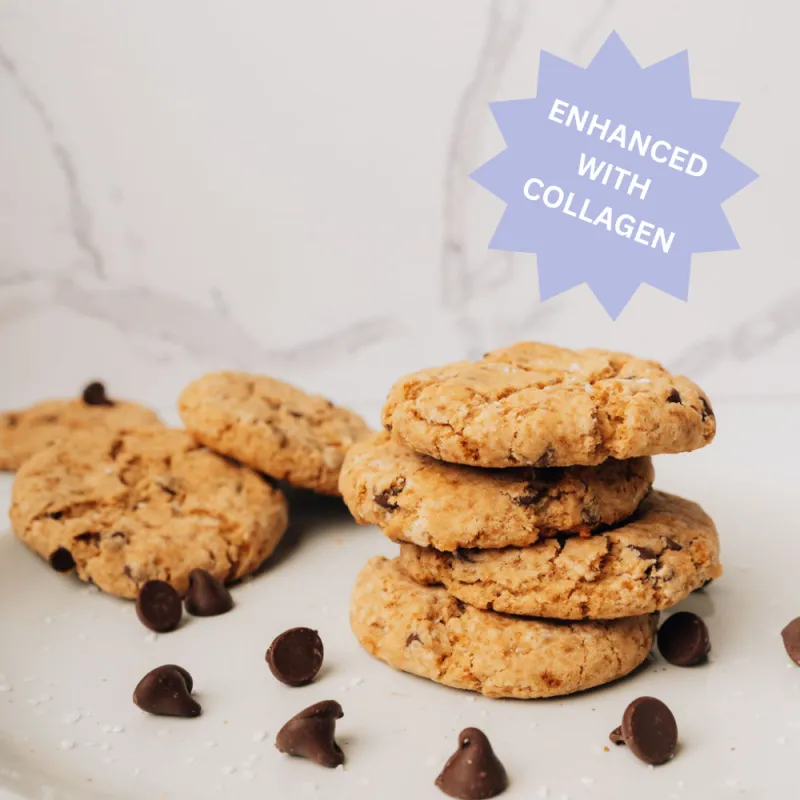
We make F-cup cookies, so yes — we have a stake in this. But we'd rather have the honest conversation than the cheerleading one.
The Case From the Fans
Scroll through the community around beauty supplements and you'll find a surprisingly unbothered crowd. These aren't women agonizing over their reflection. They're women who describe the cookies the way other people describe a nice serum: a small, low-stakes ritual that makes them feel like they're investing in themselves.
"I don't need a cookie to validate me," one longtime fan told us. "I like my routine. I like the ten minutes in the morning that are just mine. If my body changes a little, cool. If not, I had a cookie and a moment of peace."
That framing — ritual first, results second — is exactly why the empowerment argument holds water for a lot of women. Enhancement, in this view, isn't submission to a beauty standard. It's choosing your own project. Some people lift heavier. Some people get bangs. Some people eat a cookie and see what happens.
The Case From the Critics
Skeptics, to their credit, aren't wrong about everything. The science behind dietary bust enhancement is thin, and any product that implies a cookie can reshape your body deserves scrutiny. Body-image researchers have long warned that the wellness industry is brilliant at selling solutions to insecurities it helped manufacture.
"The question isn't whether women can choose enhancement," says one culture critic we spoke with. "It's whether the choice is happening in a vacuum — or inside a feed that's been telling her since age twelve what's missing."
That's a fair challenge, and we won't pretend otherwise. No cookie — ours included — should ever be positioned as a fix for self-worth. If a brand ever tells you a snack will make people love you, walk away.
For Yourself Versus For Approval
Here's the line we keep coming back to: the healthiest version of any enhancement journey is one where you'd still want it if nobody ever noticed.
Doing something for yourself looks like curiosity, patience, and a plan B. Doing something for others looks like urgency, secrecy, and a voice in your head that sounds suspiciously like a middle-school hallway. If your motivation passes the "nobody notices" test, you're probably fine. If it doesn't, the kindest thing you can do for yourself isn't a supplement — it's a better inner circle or a better feed.
Where We Land
The bust-enhancement snack trend is neither a feminist triumph nor a scam — it's a consumer product living inside a much bigger conversation about bodies and who gets to decide what happens to them. In 2025, young women are more fluent than ever in marketing language. They can smell fake empowerment. They can also spot genuine joy.
Our take? Buy the cookie if the ritual makes your day better. Skip it if it doesn't. Read labels, keep your expectations grounded, and never outsource your confidence to a snack aisle.
Your body, your project, your permission slip. We're just here with the cookies.