A Dietitian Reads the Label: What's Really Inside Your Functional Cookies
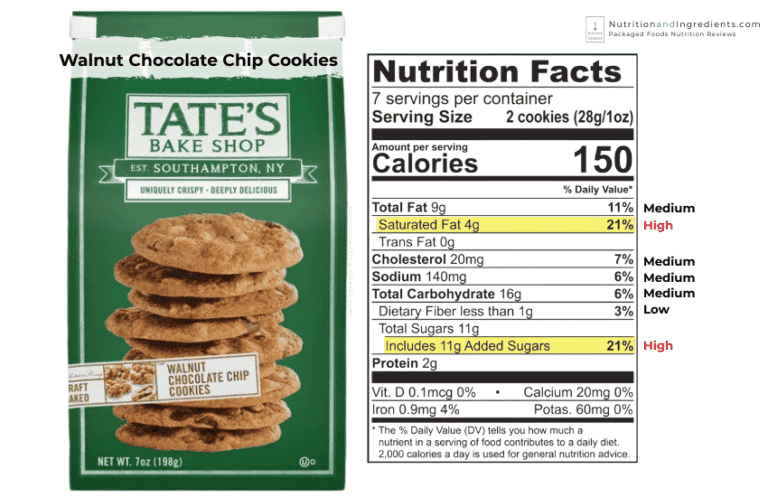
Photo: registered dietitian analyzing cookie nutrition label on table, via nutritionandingredients.com
Functional cookies are everywhere now. They're at Target, they're in your Instagram feed, and yes, they're right here at F-Cup Cookies. But with claims ranging from glowing skin to natural curves, it's fair to ask: what's actually in these things, and does any of it hold up?
We sat down with registered dietitian Maya Chen, RD (not affiliated with any brand, which is exactly why we wanted her) and asked her to do a label autopsy on the functional cookie category. No fluff, no brand loyalty — just what the research says.
The Claim vs. The Compound
"The first thing I tell clients," Chen says, "is that an ingredient can be real and still not do what the box says. Both things can be true."
Here's her breakdown of the heavy hitters.
Collagen peptides
Collagen is the most abundant protein in your body, and levels do decline with age. Studies on collagen supplements show modest improvements in skin elasticity and hydration, typically at doses of 2.5 to 10 grams daily.
"A cookie with one or two grams of collagen? That's below the studied range," Chen notes. "It's not harmful, but think of it as a bonus, not a treatment."
Soy isoflavones
This is the ingredient behind most bust-enhancement claims, including ours. Isoflavones are plant compounds (genistein and daidzein) that weakly mimic estrogen. The theory: mild estrogenic activity may support breast tissue.
"The honest answer is that evidence for isoflavones changing breast size is limited and mixed," Chen says. "There's some research on phytoestrogen intake in Japanese populations and body composition, but a cookie isn't a clinical trial. What is well supported is that moderate soy intake is safe for most people and fits into a balanced diet."
Translation: enjoy them, but temper expectations about cup sizes.
Antioxidants (vitamin C, E, polyphenols)
Antioxidants from food genuinely support skin health by fighting oxidative stress. But Chen flags a common trick: "A cookie fortified with a token amount of vitamin C doesn't cancel out the fact that it's still a cookie. Look at the whole label, not the hero nutrient."
Fiber and protein fortification
Ironically, Chen says the most evidence-backed functional ingredients are the least glamorous. Fiber slows blood sugar spikes, protein improves satiety. "If a functional cookie keeps you from raiding the vending machine at 4PM, that's a real, measurable benefit."
How to Spot Marketing Fluff
Chen's checklist for reading any beauty snack label:
- Check the dose. If the ingredient amount isn't listed, assume it's a "fairy dusting" — enough to print on the package, not enough to work.
- Beware proprietary blends. "Proprietary blend" often means "we don't want to tell you how little is in here."
- Look at the sugar. A functional cookie with 18 grams of sugar is a dessert first, a supplement second — which is fine, as long as you know which one you're buying.
- Google the claim, not the ingredient. "Collagen" has research. "Collagen boosts your bust" does not.
Our Take
At F-Cup Cookies, we'll be straight with you the way Chen was: our cookies are a delicious treat made with ingredients like soy isoflavones and collagen that have real, if modest, research behind them. They're self-care with a side of honesty — not a surgical alternative.
The best functional snack is one you enjoy, that fits your budget, and that replaces something worse. If a cute cookie with a purpose helps you skip the gas station candy bar? That's a win Chen can get behind.
Always check with your own healthcare provider before adding supplements, especially if you're pregnant, nursing, or managing a hormone-sensitive condition.